The new granny flat regulations in Ireland are the reason many families are suddenly asking whether a small Teach Beag can go into the back garden.
The useful answer is cautious: Ireland has announced changes for certain auxiliary habitable dwellings, but every project still needs to match the conditions that apply when the work starts.
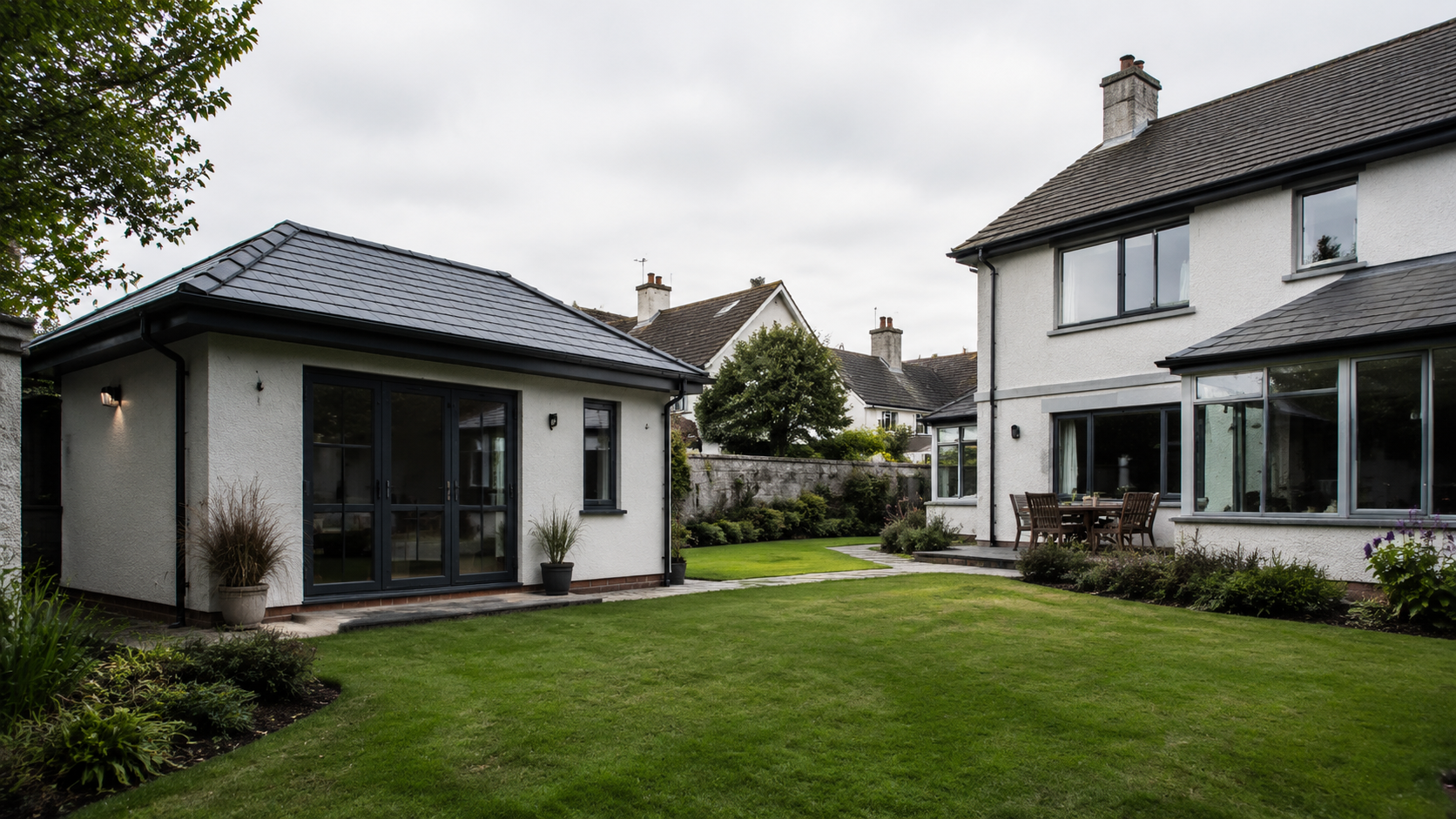
If you want the planning-first version, read granny flat planning permission Ireland. This page focuses on what changed and how families should interpret it.
What the 2026 announcement says
On 21 April 2026, the Government announced changes to planning exemption regulations. The headline for granny flats is a proposed exemption for an auxiliary habitable dwelling between 32sqm and 45sqm in floor area, linked to the services of the principal house.
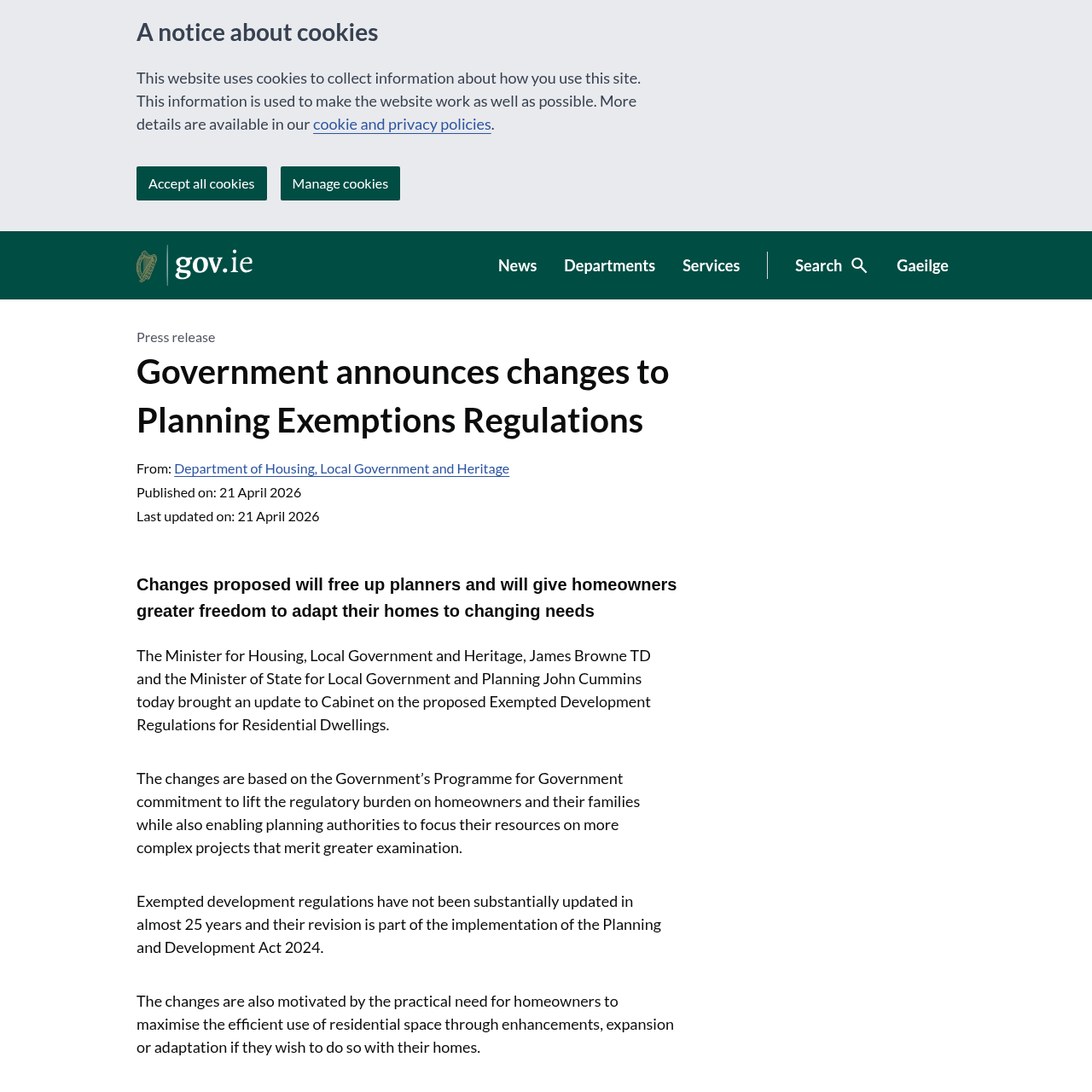
This is aimed at giving homeowners more flexibility to adapt homes to changing needs. For families, that may mean space for an older parent, adult child, carer, or supported living arrangement.
The detail matters. A regulation is not the same as a supplier slogan. Size, use, services, retained garden space, building rules, and local constraints can all affect whether a project is straightforward.
What "auxiliary dwelling" means in plain English
For a family, auxiliary usually means the unit supports the main home rather than becoming a totally separate property.
Signs that a project looks auxiliary:
- it sits within the existing home garden
- it is linked to the main house services
- it is modest in scale
- it supports a family or household need
- the main house remains the principal home
Signs that risk increases:
- it is designed as a separate rental business
- it has fully independent services and access
- the garden loses too much usable open space
- the unit is larger than the proposed range
- the property is in a constrained planning context
What families should do before ordering
Do not start with finishes. Start with the planning facts:
- Who will live there?
- Is the need family care, adult-child accommodation, downsizing, or rental?
- What floor area is required?
- Can the unit stay within 32sqm to 45sqm?
- How will water, wastewater, electricity, heating, and access work?
- What local authority area is the house in?
- Does the property have protected, estate, rural, drainage, or boundary constraints?
Then ask suppliers to quote around those facts.
Rental and Rent-a-Room caution
Do not assume the new granny flat regulations make rental income tax-free. Current Revenue guidance includes an example where a detached garage did not qualify for Rent-a-Room relief because it was not attached to the main residence.
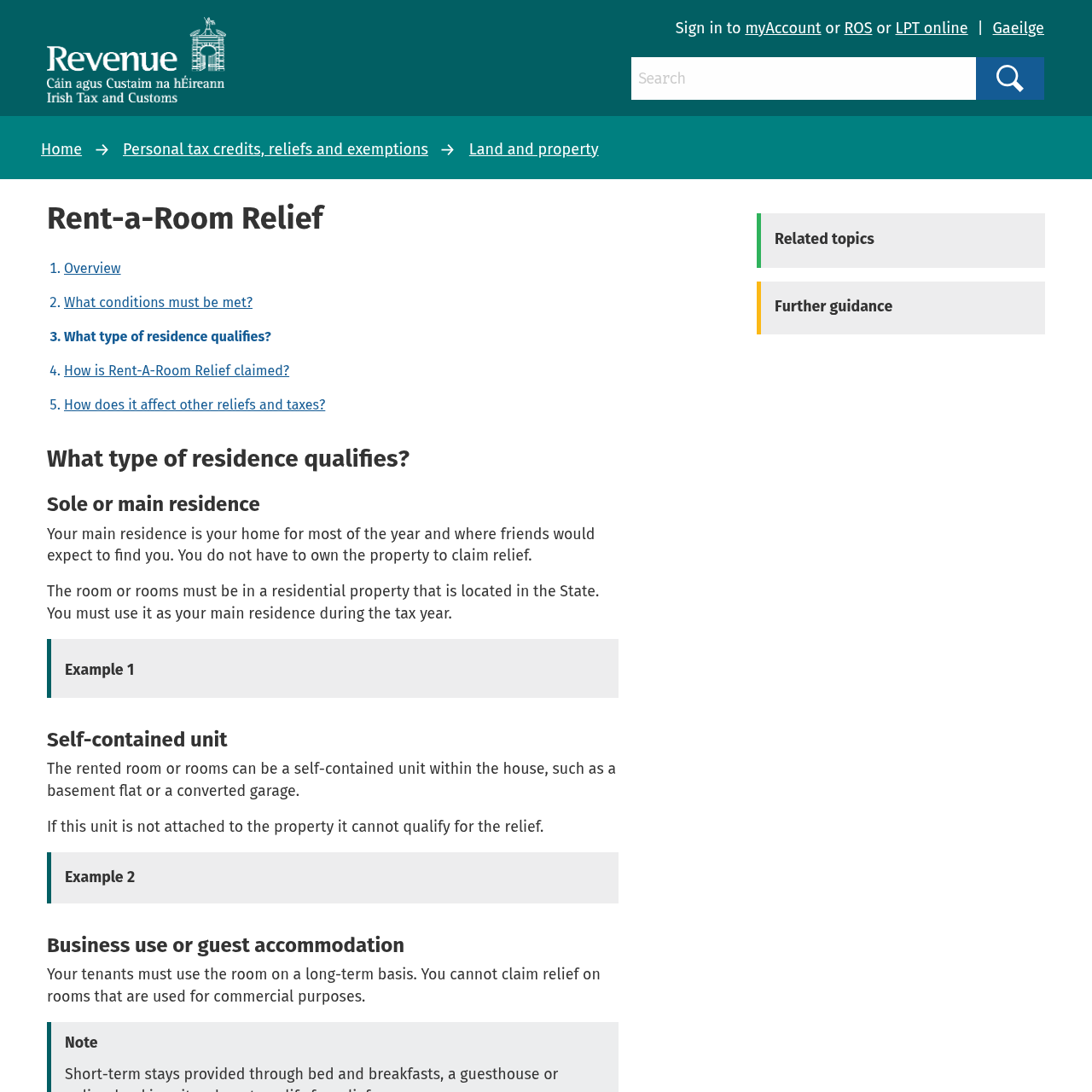
The Government has said tax treatment for auxiliary dwellings is a Budget and Finance Bill matter. Until updated tax rules are in force and Revenue guidance is clear, treat rental projections as taxable unless your adviser confirms otherwise.
Supplier questions for the new rules
Ask:
- Is this unit designed for the 32sqm to 45sqm auxiliary dwelling range?
- What exact floor area is used for the planning calculation?
- Are services linked to the main house?
- Are planning drawings included?
- What building regulation and fire safety details are supplied?
- What happens if the final regulations differ from the current announcement?
- Is the deposit refundable if the project cannot proceed?
For money questions, use grants for granny flats in Ireland and avoid assuming a grant is available for a detached unit.
Bottom line
The new granny flat regulations in Ireland are promising for family accommodation, but they are not permission to build anything, anywhere.
Treat the 2026 changes as a planning opportunity with conditions. Keep the unit modest, document the family need, confirm services and local constraints, and do not rely on rental or tax claims until official rules are settled.