A granny flat in Ireland can mean several different things: a converted part of the main house, an attached extension, a self-contained annex, a modular garden unit, or a small new home for family support. The word is simple. The rules are not.
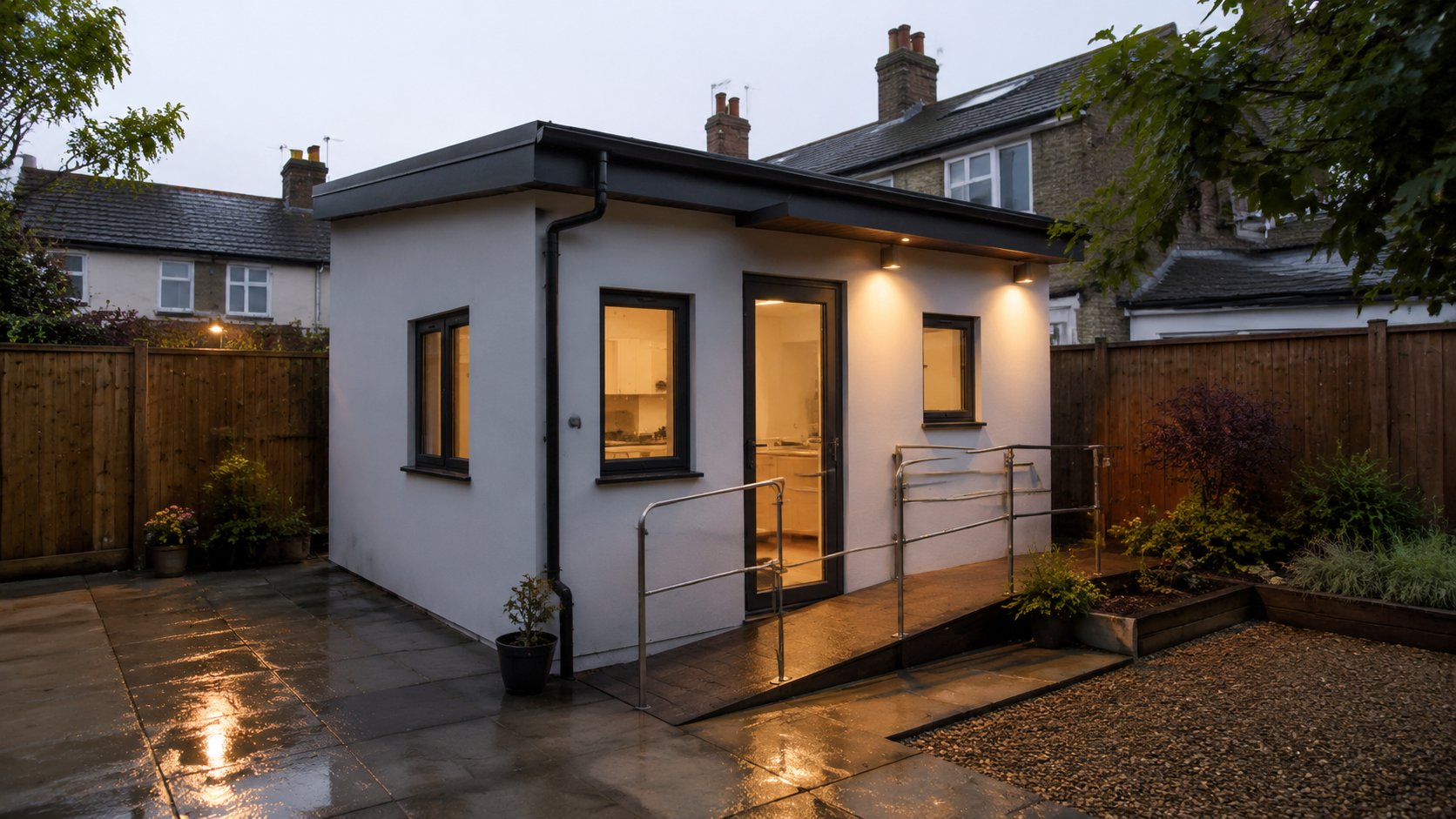 Generated concept image for a small family annex. It is not a supplier product photograph.
For Teach Beag, the best way to think about a granny flat is this: start with the family need, then test the planning route, then price the building. If you start with a product photo or a low headline price, you can miss the harder questions.
The quick answer
If you are exploring a granny flat in Ireland in 2026:
- A detached garden unit used for living is not the same as a shed or home office.
- The Government announced proposed exemptions for auxiliary habitable dwellings between 32sqm and 45sqm, but the full conditions and timing still matter.
- Building, building control and fire regulations still apply where relevant.
- Current Revenue guidance says detached units do not currently qualify for Rent-a-Room relief.
- Supplier prices are only useful when you know what site works, services and compliance are included.
That sounds cautious because it should be. A small home for a parent, adult child or relative is too important to treat as a quick garden purchase.
What the 45sqm proposal could change
The April 21, 2026 gov.ie announcement says the proposed changes include a new exemption for an auxiliary habitable dwelling linked to the services of the principal house, between 32sqm and 45sqm in floor area.
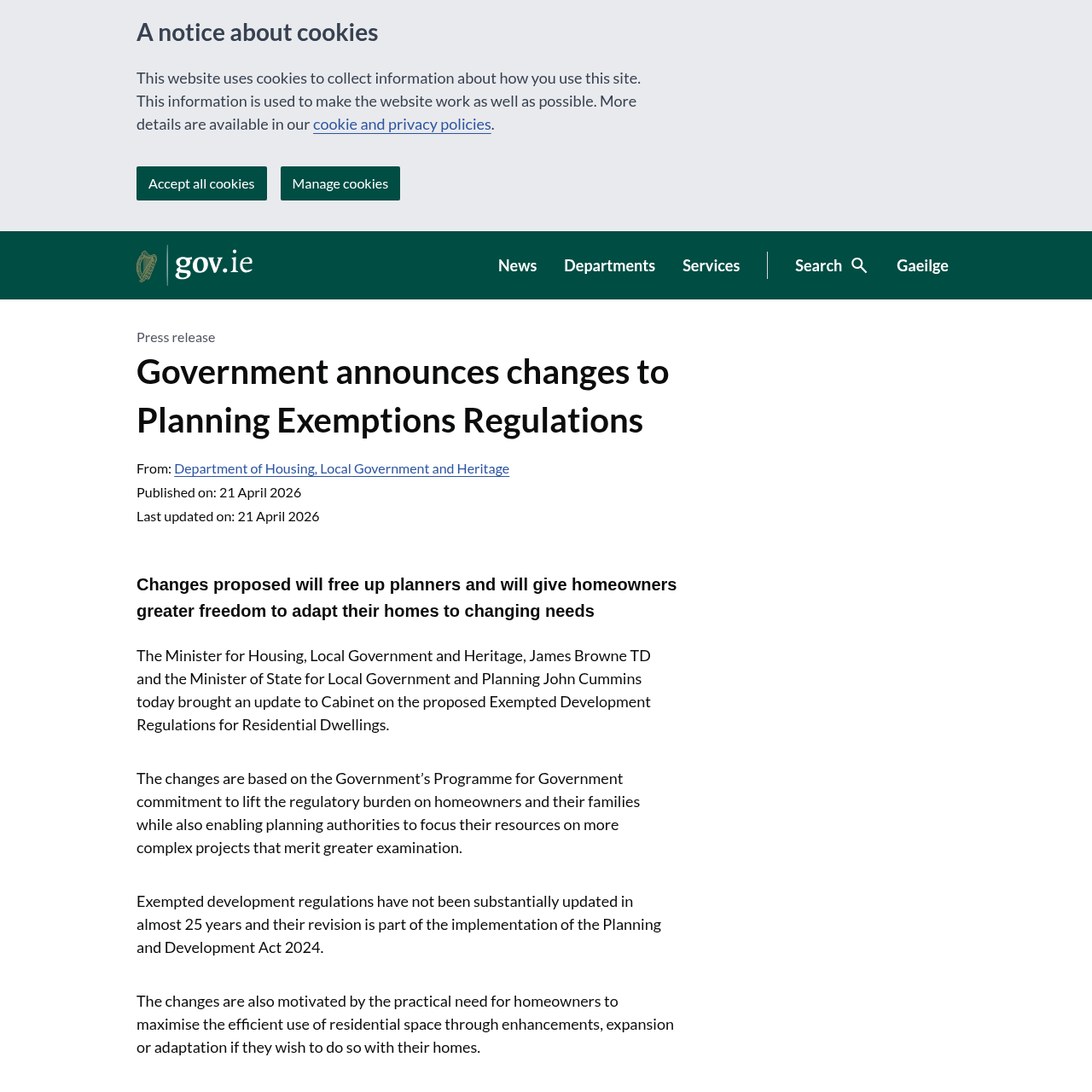 Official gov.ie announcement captured with Jina. Check the final regulations before relying on any exemption.
The same announcement says building, building control and fire regulations will still apply where relevant. It also says tax arrangements for auxiliary dwellings and how they interact with Rent-a-Room relief are for the Budgetary process and Finance Bill.
That matters because some homeowners hear "45sqm exemption" and mentally jump to "planning sorted" or "tax-free rental". Neither is safe.
The practical read is:
| Question | Conservative answer |
|---|---|
| Can a granny flat be detached? | The proposed auxiliary dwelling route points that way, but final conditions matter |
| Is 45sqm the magic size? | It is the proposed upper floor-area band for the auxiliary dwelling measure, not a blanket permission |
| Does it remove building regulations? | No |
| Does it settle tax treatment? | No |
| Can suppliers quote now? | Yes, but quote against assumptions and update when rules are final |
Family use comes first
A granny flat is often not really about property. It is about care, independence and privacy.
Common family reasons include:
- A parent wants to downsize but stay close.
- An adult child cannot buy or rent nearby.
- A family member needs more independence with support close by.
- A carer needs a practical base.
- The main house is too busy for multigenerational living.
Those are good reasons to explore a Teach Beag. They also shape the design.
For an older parent, access, level thresholds, bathroom layout, heating controls and night lighting matter more than glossy cladding. For an adult child, privacy, broadband, storage and a real kitchen may matter more. For a future-proof family unit, you want a layout that can change use without rebuilding.
What suppliers publicly show
MyModular publishes 35sqm and 45sqm granny-flat style modular options and uses the same public price bands as its compact modular range: from €45k for 35sqm and from €55k for 45sqm before site-specific works.
Rayco's granny-flat page publicly describes self-contained modular annexes, planning support, NSAI-certified construction and a "from" price. That is useful market context, but the details still need model-by-model checking.
GrannyFlats.ie is a different type of supplier example because it says its Dublin granny flats are constructed on-site rather than modular. That is useful for comparison. Some families may prefer a traditional-style build even if they first searched for modular.
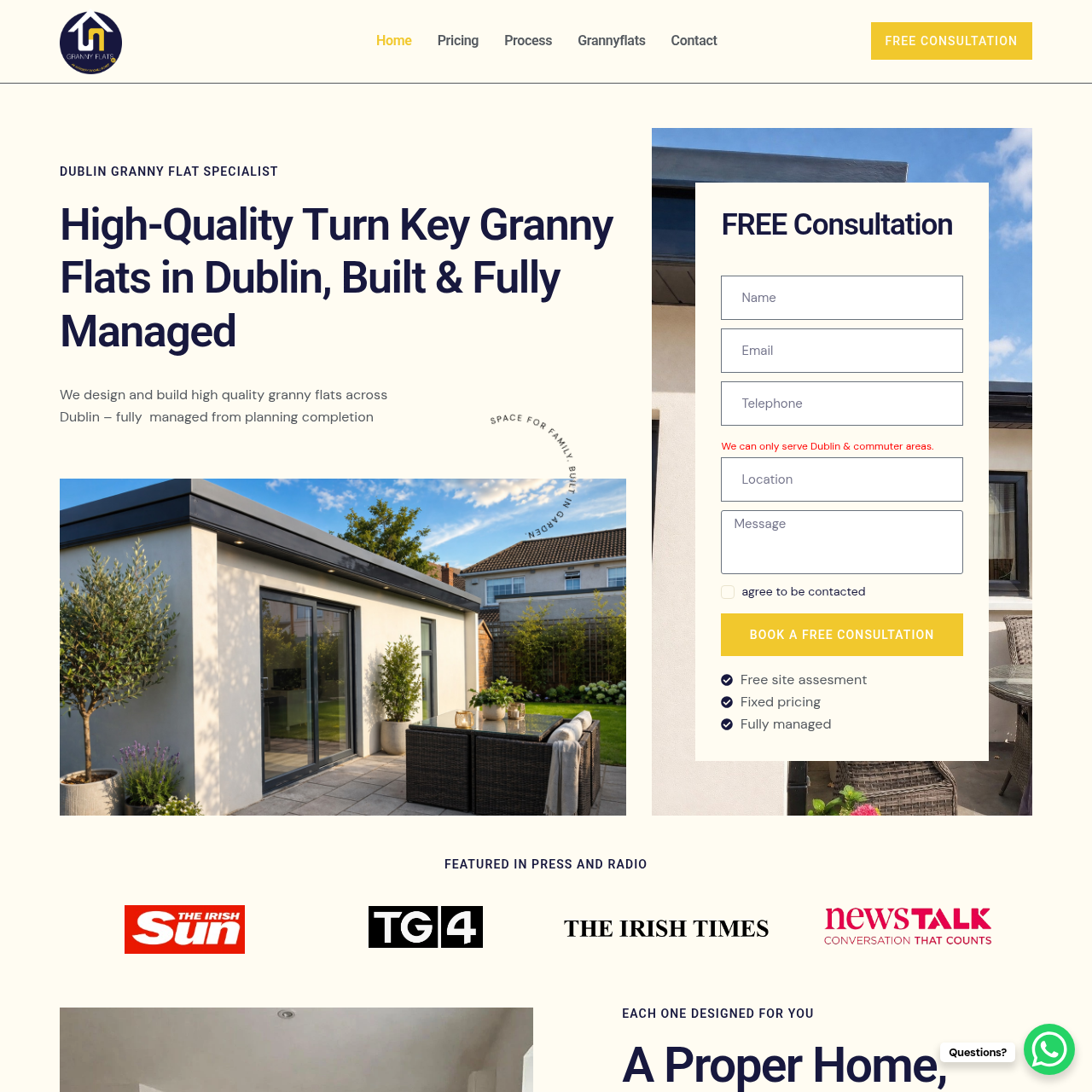 Jina screenshot of a public granny-flat supplier page. It is included as market context, not endorsement.
The point is not to find one supplier from an article. The point is to learn which questions to ask before you invite anyone to price the project.
Price: what to include in the budget
For a family annex, the unit cost is only one line.
| Budget line | Why it matters |
|---|---|
| Unit or build shell | The visible starting price |
| Foundations or base | Often site-specific |
| Water and wastewater | Critical for bathroom/kitchen use |
| Electrical connection | Needs proper certification |
| Heating and ventilation | A family unit must work year-round |
| Access or cranage | Tight Irish side passages can add cost |
| Planning/design support | Drawings and reports may be needed |
| Building control/fire compliance | Still relevant for habitable use |
| Finishes and appliances | Can change the final price quickly |
| Contingency | Keep a reserve for site surprises |
If the annex is for an older person, add accessibility items early rather than later: wider doors, safer shower design, ramp or level access, brighter lighting, simple heating controls and enough circulation space.
Rent-a-Room relief: do not overclaim it
Revenue's current Rent-a-Room guidance is clear on one point that matters for detached garden units. A self-contained unit can qualify only where it is within the house, such as a basement flat or converted garage. Revenue says if the unit is not attached to the property, it cannot qualify for the relief.
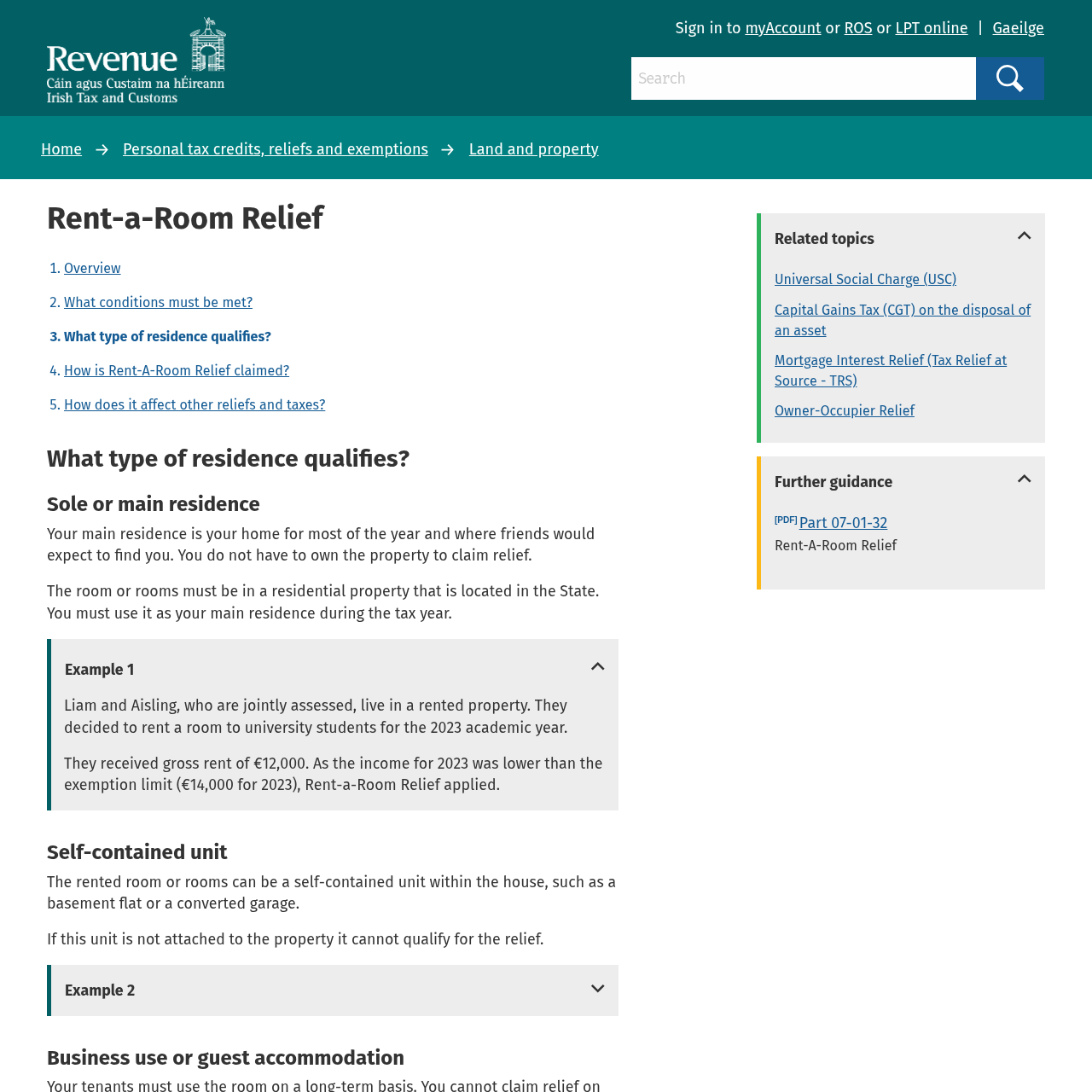 Revenue page captured with Jina. Current guidance says detached units do not currently qualify.
So, for now, detached units do not currently qualify for Rent-a-Room relief. The Government has said tax arrangements for auxiliary dwellings are to be considered through the Budgetary process and Finance Bill, but that is not the same as a current relief.
If your plan depends on rental income, read our Rent-a-Room and modular units guide and rental payback guide. This is not tax advice.
Planning questions to ask before a deposit
Before you pay for drawings or a unit, answer these:
- Is the proposed unit detached, attached, or within the main house?
- Is the intended use family accommodation, independent dwelling, rental or guest use?
- What is the internal floor area?
- Will it connect to the main house services?
- How much private garden space remains?
- Are there protected structures, conservation areas or local constraints?
- Does the supplier provide planning support or only a building?
- What happens if the local authority disagrees with the assumed route?
If a supplier says "no planning needed" without asking those questions, slow down.
A good Teach Beag brief
Write the brief before you shop. A strong brief might say:
"We want a 35sqm-45sqm small home in the rear garden in County Meath for a parent. It needs a bedroom, accessible shower room, small kitchen/living area, good insulation, level access, and connection to existing services if feasible. We need the supplier to separate unit cost, site works, planning support, utilities and exclusions."
That brief is far more useful than "send me granny flat prices".
FAQ
Are granny flats legal in Ireland?
They can be, but the route depends on whether the space is within the house, attached, detached, used by family, rented, and compliant with planning and building rules.
Do I need planning permission for a granny flat?
Often yes under current practice, especially for detached habitable units. The Government has announced proposed auxiliary dwelling exemptions, but final conditions and timing must be checked.
How much does a granny flat cost in Ireland?
Compact modular supplier examples can start from tens of thousands before site works. Fully managed, site-built or larger family annexes can cost much more. Always separate unit/build cost from site works and services.
Is there a grant for a granny flat in Ireland?
There is no simple universal granny-flat grant covered by this guide. Supports may exist for disability adaptation, energy upgrades or other specific circumstances, but eligibility needs checking with the relevant body.
Can I rent a granny flat tax free?
Do not assume that. Current Revenue guidance says detached units do not currently qualify for Rent-a-Room relief. Get tax advice before relying on rental income.
What is the best first step?
Use the checker and quote form below with your county, family use case, rough size, access notes and budget range. That gives suppliers and advisers enough detail to respond properly.